


Research & solar radiation science
Setting the standard for scientific breakthroughs
For more than 100 years, researchers have turned to Kipp & Zonen for uncompromising accuracy and creative, unconventional, and long‑term scientific exploration.
- SOLYS sun trackers deliver BSRN grade accuracy for DNI, DHI, and GHI
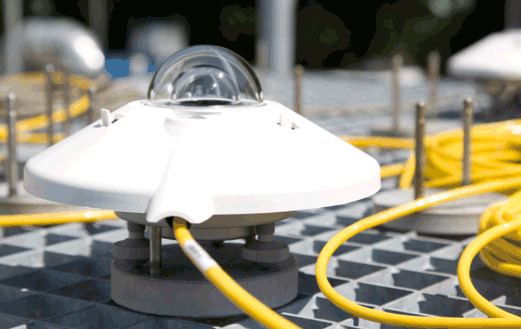
- WRR traceable pyranometers and radiometers ensure high confidence solar and energy balance data
- Spectral radiometers capture detailed solar distribution for atmospheric, PV, and climate research
- Lufft all in one sensors provide complete environmental context for studies
Exploring the edge of what is possible
Unmatched precision and reliability
Research‑grade sun trackers and radiometers deliver stable, long‑term solar radiation data essential for meteorological and climate studies.
Compliant with industry standards
Instruments are WRR‑traceable and suitable for BSRN‑level observation networks, meeting international scientific data requirements.
Smart features for maximum uptime
All‑weather sun trackers and maintenance‑free weather sensors ensure uninterrupted multi‑year datasets in harsh environments.
Actionable insights
High‑resolution DNI, DHI, GHI, albedo, and meteorological trends support climate modeling, atmospheric research, and validation of satellite data.
Decades of proven expertise
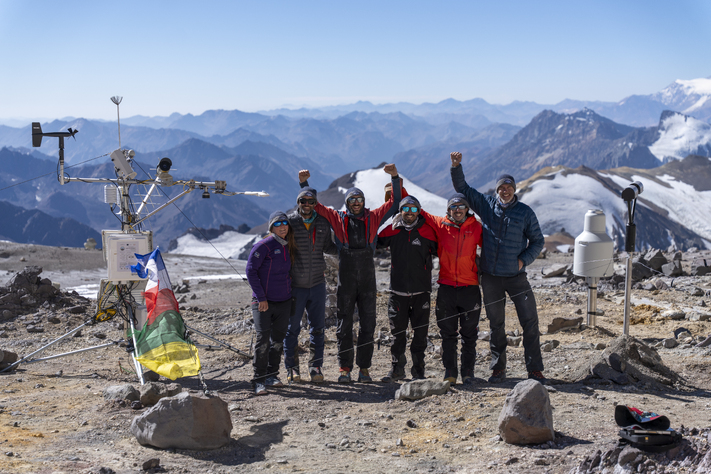
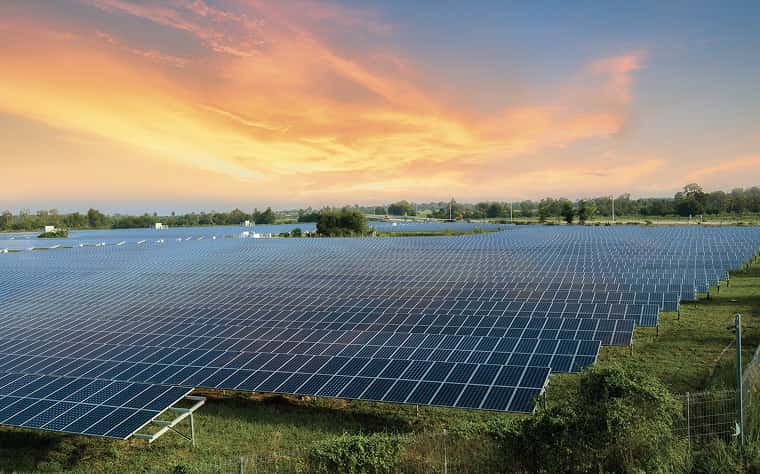
Trusted globally—from polar research installations to the world’s largest PV plants—Kipp & Zonen instruments have a legacy of powering atmospheric and solar science.
Expert support you can trust
In the field
Guides, white papers, and more
Frequently Asked Questions
Yes. our instruments are widely used in universities for emerging PV studies, materials research, prototype development, and atmospheric science.
DNI, DHI, GHI, albedo, spectral distribution, surface soiling, longwave radiation, and full atmospheric context.
Absolutely. SOLYS trackers, spectral sensors, and compact weather systems integrate easily into custom research platforms.
Yes. Their stability, calibration lineage, and long‑term endurance make them ideal for evolving research programs.
Innovation labs, PV test fields, architecture and engineering schools, atmospheric science programs, and international calibration centers.